


- By Ali Greplova
- 27. 6. 2026
- Africa
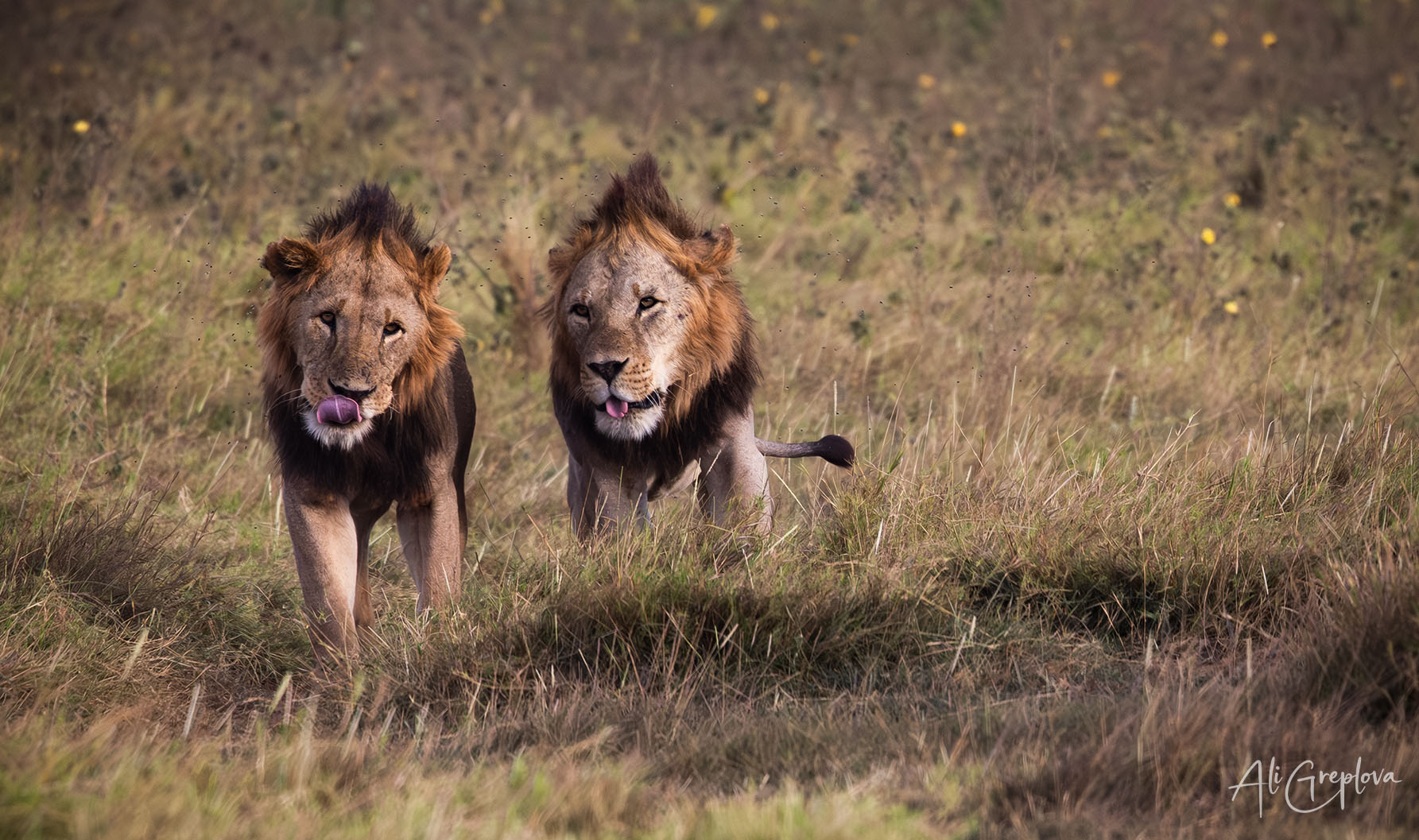
It still haunts me — that encounter on the plane in April. A group of wealthy men boasting about killing antelopes, zebras, and one of them a cheetah. Every time I edit a photo of a cheetah, every time I look into those eyes, it comes back. I can still see the animal dropping to the ground after the shot. Instead of a rifle, I carry a camera. Through every image I wait for with patience and humility, I speak for every creature killed senselessly for a fleeting chemical rush. And for all the unborn offspring that will never get a chance because of a trophy on a wall.
Someone takes a living creature’s life.
Why?
For a photo on the wall.
For a few seconds of chemical triumph in the brain when the animal hits the ground and they can put their foot on it and pose.
The Internet Expert
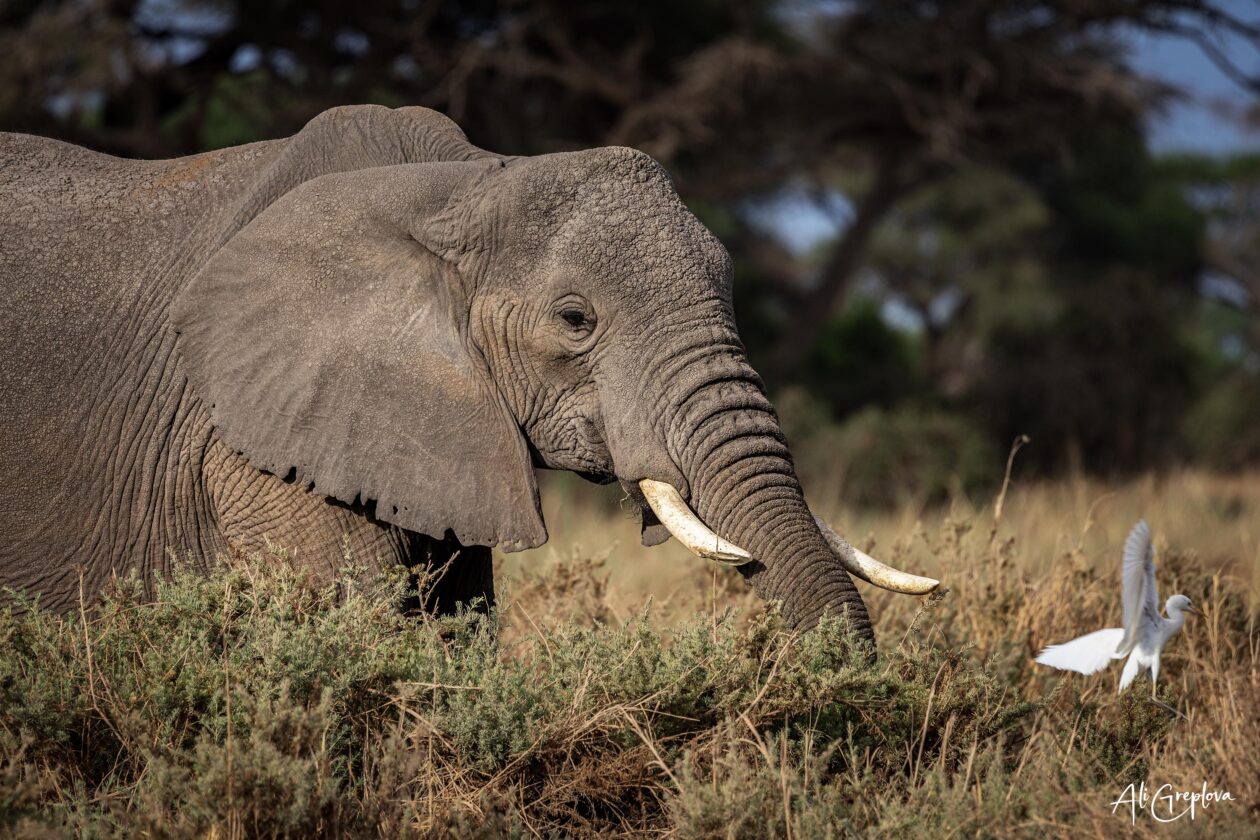
When I posted my second article on trophy hunting on Facebook, someone actually appeared who dismissively claimed it was written by AI — and went so far as to suggest that this kind of activism caused the extinction of the northern white rhino.
Martin Šimek:
“An empty, AI-generated text that merely demonstrates a complete misunderstanding of trophy hunting in Africa. The author emotionally pushes her worldview without basic knowledge of the subject, unwittingly contributing to the destruction of ecosystems and wildlife populations. Dear madam — if you want to express an opinion on a rather complex issue, try to study at least the basics, talk to locals, study the statistics on wildlife numbers where hunting is allowed versus where it is banned, and only then share your wisdom with the world. I am disgusted by this kind of activism, which is the direct cause of the extinction of northern white rhinos, populations of many antelope species in East Africa, and big cats across the world. Not legal and marginal hunting, but exactly these pseudo-conservation ramblings will one day cause the extinction of all life in Africa. BTW I am not a hunter.”
Ali Greplová:
“Martin Šimek — 30 years in Africa, tens of thousands of kilometres in the field, hundreds of nights in the bush. I wrote the article myself. I am familiar with the argument about local funding — I dedicate an entire paragraph to it in the text, including sources. If you have specific data that refutes this, I am happy to look at it. Super tuskers, Cecil, Xanda — these are not emotional inventions. They are documented cases with cited sources. Being ‘disgusted’ without a single concrete number or study is exactly the type of argumentation you accuse me of. The northern white rhino, including the last male Sudan at Kenya’s Ol Pejeta, went extinct due to poaching and civil wars in East and Central Africa. Not because of activists. I wrote about Sudan. Next time, choose an example that actually supports your argument. Insults are not argumentation. And that applies regardless of which side of the debate you are on. One more thing — this article is not about conservation policy or quotas at all. It is about what goes on in the mind of a person who kills the last super tusker for a photo on the wall. Those are two entirely different debates. You are responding to an article I did not write.”
Zito
He never responded to my arguments. He couldn’t.
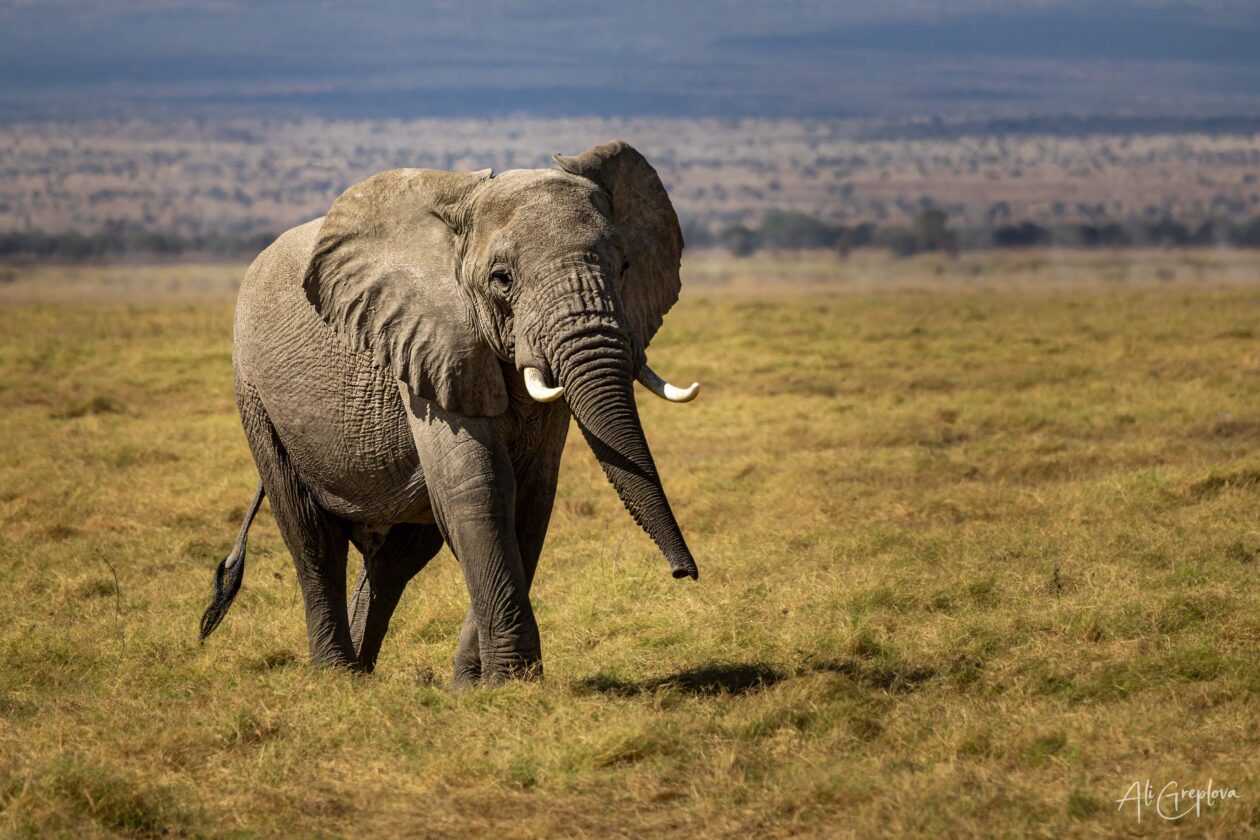
While he was writing his comment, more animals were dying. It has now been confirmed that in 2024, Zito was killed in Tanzania’s Maswa Reserve — one of the last super tuskers of the Serengeti area. Shot. Tusks over 100 pounds. There was an informal agreement that this elephant was untouchable. One professional hunter broke it. Photos with the body appeared on social media 19 months after the killing. An estimated 84 super tuskers remain in the world.
These are facts. Not activism.
In 2023 alone, 521 lions were shot for trophies in South Africa. Nearly one and a half lions every single day. Of those, 468 came from captive breeding operations — animals raised in captivity to be killed. And that is one country, in one year.
Belgium said enough
And now, finally, the first European country has responded. Belgium.
In January 2024, the Belgian parliament voted unanimously to ban the import of hunting trophies. Lions, elephants, rhinos, cheetahs, hippos. Over.
91% of Belgians were against trophy hunting. 88% supported the ban.
On 18 December 2025, the Belgian Constitutional Court upheld the ban. It stood.
Belgium’s Minister of the Environment said it openly: “This is a political signal.”
Because one country alone cannot stop the entire global trophy trade. They know that. But signals change systems. Laws change culture.
Yet at the very same time Belgium was closing its doors — South Africa was reopening its hunting industry. Two entirely different visions. Two entirely different worlds.
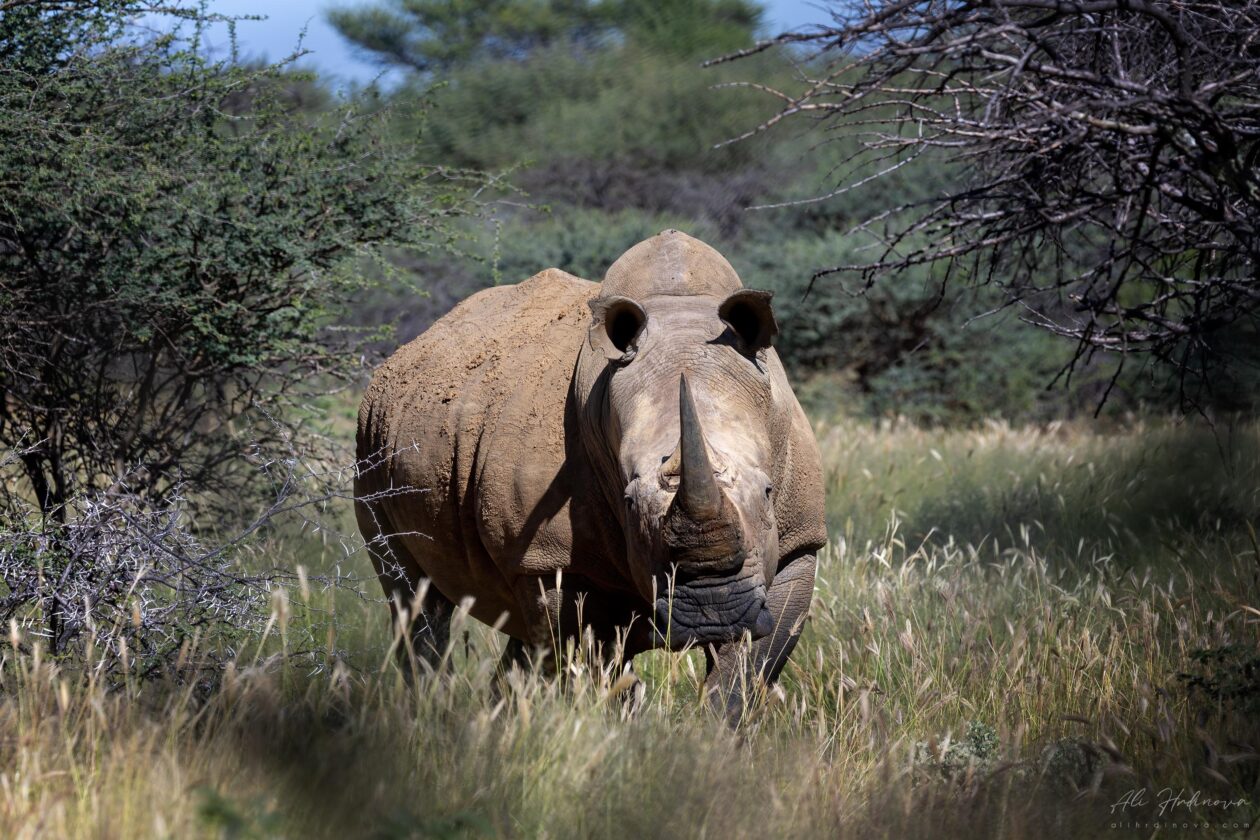
Asia Is Quietly Right
Asia — numerically the largest part of the world’s population — barely knows trophy hunting. Buddhism and Hinduism hold the life of every individual creature as sacred. Poaching exists, but that is a different problem — and a different person.What Needs to Happen
First, legislation. Import bans on trophies, country by country. Belgium has shown it is possible. The European Parliament proposed it back in 2022. Years passed. Nothing happened. Without a market, there is no business.
Second, money. Photo tourism must economically replace trophy hunting entirely. A living lion generates over $650,000 for the local economy through photographic safaris over its lifetime. A dead one earns once — and that is the end. Local communities must earn more from living animals than from dead ones.
Third, social norms. The Cecil effect worked. Public pressure and shame killed part of the market. The more people speak, write, and photograph — the more the boundary of what is acceptable shifts.
Fourth, corruption. As long as the hunting lobby pays politicians and infiltrates CITES, WWF and IUCN, the rules will bend. Without transparency, nothing will fundamentally change.
The reality is hard. As long as there are people with money and a desire to kill — and as long as there are countries where it is legal — the business will not end entirely. But it can be marginalized into irrelevance.
📊 Trophy Hunting by the Numbers
EU: Between 2014 and 2022, nearly 25,000 hunting trophies from CITES-protected species were imported into the EU. Source: Humane Society International
USA: The world’s largest importer — 71% of global demand, averaging 126,000 trophies per year. Source: HSI
South Africa 2023: 521 lions shot for trophies — nearly one and a half per day, of which 468 came from captive breeding operations. Source: The Revelator
Living lion vs. dead: A living lion generates over $650,000 for the local economy through photographic safaris. A dead one earns once.
Super tuskers: An estimated 84 remain in the world. In 2024, Zito was shot in Tanzania’s Maswa Reserve — one of the last in the Serengeti area. Source: Africa Geographic
Belgium: On 18 December 2025, the Constitutional Court upheld the trophy import ban. Public support: 88%. Source: Humane World for Animals
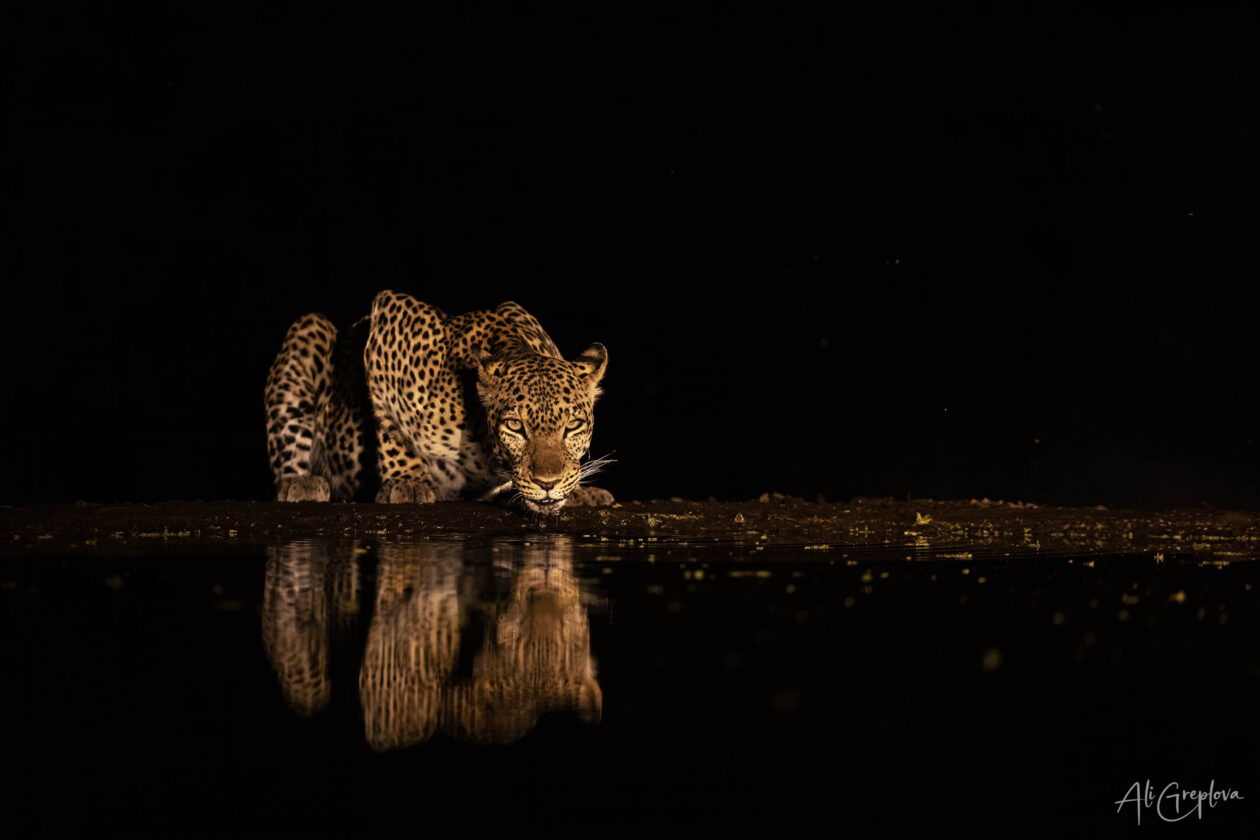
NEVER
When I see a person posing beside a shot lioness, it is in direct contradiction to any compassion we as human beings are supposed to have.
The older I get, the more deeply I feel it. The fact that it hurts me, that it bothers me — that is not weakness. On the contrary — it is proof that I still carry within me the pure capacity to feel for life that is being systematically destroyed every single day for someone’s entertainment or a trophy on a wall. The world tries to numb us, to make us accept it. NEVER. As a photographer, I see this sensitivity as my most valuable tool. I want to take the pain I feel and channel it through my work, and pass it on to others. I want it to finally start to matter to them too.
If you are thinking about an ethical safari — discover Lentorre, Kenya.
